➡️ INTRODUCTION
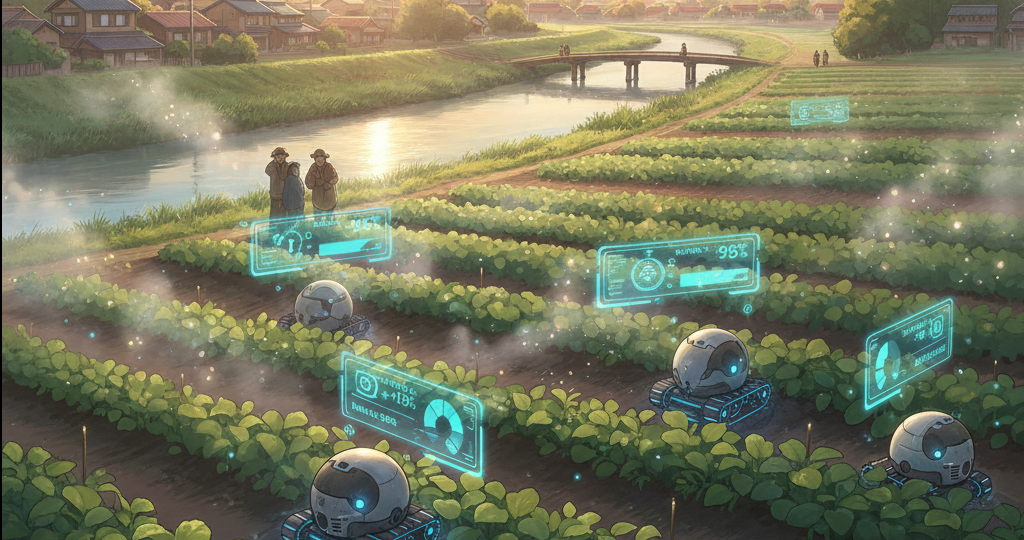
→ Transforming agriculture through innovation means improving how food is grown, managed, and delivered by using modern methods and practical solutions. As global food demand rises and natural resources become limited, traditional farming alone is no longer enough. Innovation helps farmers increase productivity, reduce losses, and protect the environment at the same time. This topic matters because agriculture supports livelihoods, economies, and food security worldwide. Readers can benefit by learning how innovative approaches make farming more efficient, resilient, and profitable. Whether you are a farmer, student, or agribusiness professional, understanding agricultural innovation can help you adapt to change and build a more sustainable future.
➡️ Key Points / Benefits
→ Improves crop yield and overall farm efficiency.
→ Reduces waste of water, fertilizers, and energy.
→ Supports sustainable and eco-friendly farming practices.
→ Helps farmers adapt to climate and market changes.
→ Encourages smarter planning and decision-making.
→ Builds long-term profitability and farm resilience.
🔵 1️⃣ → Modern Farming Techniques for Higher Productivity
Modern farming techniques focus on doing more with fewer resources. These techniques help farmers manage crops and soil more effectively while lowering unnecessary costs.
Practical steps include:
- Selecting improved crop varieties suited to local conditions
- Using crop rotation to maintain soil health
- Applying inputs based on actual crop needs
Farmers should start small by improving one practice at a time. Avoid using outdated methods that reduce soil fertility or increase pest problems. Modern techniques help stabilize yields, improve quality, and make farming more reliable, even under changing environmental conditions.
🔵 2️⃣ → Smart Use of Technology in Agriculture
Technology plays a key role in transforming agriculture by improving accuracy and efficiency. Smart tools allow farmers to monitor crops, soil, and weather conditions more closely.
Examples include:
- Monitoring soil moisture to optimize irrigation
- Tracking crop growth stages for timely actions
- Managing farm operations through digital records
Farmers should choose tools that match their farm size and budget. Avoid adopting complex systems without proper training. Smart technology reduces guesswork, saves time, and supports better decision-making, leading to more consistent and sustainable production.
🔵 3️⃣ → Sustainable Practices for Long-Term Growth
Sustainability ensures that farming remains productive for future generations. Innovative sustainable practices balance productivity with environmental care.
Actionable tips include:
- Improving soil organic matter through compost and cover crops
- Reducing chemical overuse to protect soil life
- Conserving water through efficient irrigation methods
Mistakes to avoid include ignoring soil health or overusing inputs for short-term gains. Sustainable practices improve soil structure, reduce erosion, and lower costs over time. They help farmers achieve stable production while protecting natural resources.
🔵 4️⃣ → Data-Based Decision Making in Farming
Using data helps farmers understand what works best on their land. Data-based farming replaces guesswork with informed planning.
Practical guidance includes:
- Recording yields, input use, and weather patterns
- Comparing results across seasons
- Adjusting practices based on performance data
Farmers should focus on simple data collection first. Avoid making decisions without reviewing past results. Data-based decisions improve efficiency, reduce risk, and help farmers plan more confidently for future seasons.
🔵 5️⃣ → Responsible Adoption of Agricultural Innovations
Innovation delivers the best results when adopted responsibly. Farmers should align new tools and practices with their actual needs.
Step-by-step approach:
- Identify key challenges on the farm
- Select solutions that address those challenges
- Monitor results and make improvements
Dos include training workers and maintaining tools regularly. Don’ts include copying practices without understanding local conditions. Responsible adoption ensures innovations provide real value, reduce losses, and support sustainable growth.
➡️ CONCLUSION
→ Transforming agriculture through innovation is essential for meeting future food needs while protecting natural resources. By using modern techniques, smart technology, sustainable practices, data-based decisions, and responsible adoption, farmers can improve productivity and resilience. These innovations reduce risk, increase efficiency, and support long-term profitability. Readers who apply these practices gradually can build stronger and more sustainable farming systems. Embracing innovation today helps agriculture grow smarter, remain competitive, and provide reliable food for generations to come.