➡️ INTRODUCTION
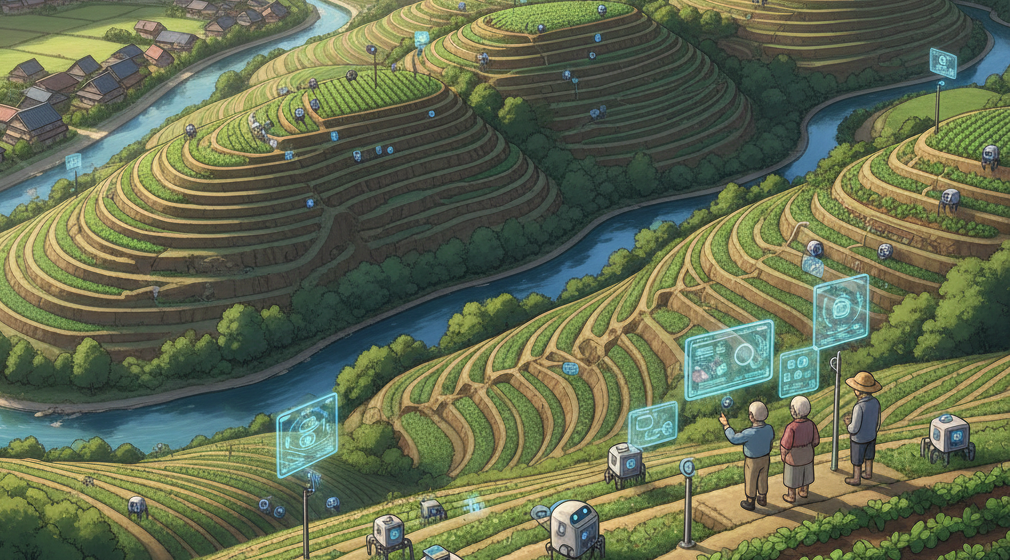
→ Tracking the future of farming worldwide means understanding how agriculture is changing to meet global food demands, environmental challenges, and economic pressures. Farming is no longer only about growing crops; it now involves technology, data, sustainability, and smarter planning. As populations grow and climate conditions become less predictable, farmers, researchers, and policymakers must observe trends and adapt early. For readers, tracking these changes offers clear benefits: better awareness of modern farming methods, improved decision-making, and opportunities to adopt efficient practices. Whether you are a farmer, student, agribusiness professional, or simply curious, understanding the future of farming helps you prepare for a more resilient and productive agricultural system.
➡️ Key Points / Benefits
→ Helps anticipate changes in food production and supply chains.
→ Supports smarter planning through data and trend analysis.
→ Encourages adoption of sustainable and efficient farming practices.
→ Reduces risks related to climate change and resource shortages.
→ Creates opportunities for innovation, income growth, and stability.
🔵 1️⃣ → Global Farming Trends and Their Impact
Farming trends around the world show how agriculture is shifting to meet modern needs. These trends include increased mechanization, sustainable practices, and improved farm management systems.
Key global trends to track include:
- Growing focus on sustainability and resource efficiency.
- Increased use of precision tools for planting and harvesting.
- Expansion of diversified farming systems.
Step-by-step, farmers can start by observing trends in similar regions and climates. For example, water-saving irrigation methods adopted in dry regions can inspire changes elsewhere. A practical tip is to follow international agricultural reports and local extension updates. The benefit of tracking trends is early adaptation, which helps reduce costs, improve productivity, and stay competitive in a changing global market.
🔵 2️⃣ → Technology and Innovation in Modern Agriculture
Innovation plays a major role in shaping the future of farming. New tools and systems help farmers improve accuracy, reduce labor, and manage farms more efficiently.
Important areas of innovation include:
- Farm management software for planning and record-keeping.
- Automated machinery for planting, spraying, and harvesting.
- Remote monitoring of crops and livestock.
To adopt innovation step by step, farmers should first identify their biggest challenges, such as labor shortages or water waste. Then, choose simple tools that directly solve those problems. For example, digital record-keeping can help track expenses and yields. Avoid investing in complex systems without training. The advantage of innovation is better control, time savings, and improved long-term farm performance.
🔵 3️⃣ → Climate Change and Adaptive Farming Strategies
Climate change is one of the most important factors influencing the future of farming worldwide. Rising temperatures, unpredictable rainfall, and extreme weather events increase risks for farmers.
Actionable adaptive strategies include:
- Choosing crop varieties suited to local climate conditions.
- Adjusting planting and harvesting schedules.
- Improving soil health to retain moisture and nutrients.
Farmers should avoid relying on past weather patterns alone. Keeping climate records and seasonal notes helps identify changes over time. Diversifying crops and income sources reduces losses during extreme events. The key advantage of adaptive strategies is resilience. Farms that adapt early are better prepared for shocks, ensuring stable production and income even under changing environmental conditions.
🔵 4️⃣ → Data, Monitoring, and Decision-Making
Tracking the future of farming requires good data and regular monitoring. Data helps farmers understand what works, what does not, and where improvements are needed.
Effective monitoring practices include:
- Recording crop yields and input usage each season.
- Monitoring soil health and water use regularly.
- Reviewing market prices and demand trends.
A practical example is comparing yield data from different fields to identify best-performing practices. Farmers should focus on simple, useful data instead of collecting too much information. A common mistake is ignoring data after collection. Regular review is essential. Data-driven decisions lead to better planning, cost control, and improved productivity, making farms more efficient and sustainable over time.
🔵 5️⃣ → Education, Collaboration, and Knowledge Sharing
The future of farming depends not only on tools and data but also on people and knowledge. Education and collaboration help spread successful practices across regions.
Steps to strengthen knowledge sharing include:
- Attending training programs and workshops.
- Participating in farmer groups and cooperatives.
- Learning from global case studies and local experiences.
Farmers should adapt shared knowledge to their local conditions instead of copying it directly. Testing small changes before full adoption is recommended. Collaboration reduces learning time and mistakes. The main benefit of education and knowledge sharing is faster progress. Farmers gain confidence, reduce risks, and build stronger, more informed agricultural communities.
➡️ CONCLUSION
→ Tracking the future of farming worldwide is essential for building a resilient and productive agricultural system. By understanding global trends, embracing innovation, adapting to climate change, using data wisely, and sharing knowledge, farmers and stakeholders can prepare for upcoming challenges. These practices help improve efficiency, reduce risks, and support long-term sustainability. Readers are encouraged to stay informed, start with small practical steps, and continuously monitor results. Following the future of farming is not just about change; it is about making informed decisions that benefit farmers, consumers, and the environment for years to come.