➡️ INTRODUCTION
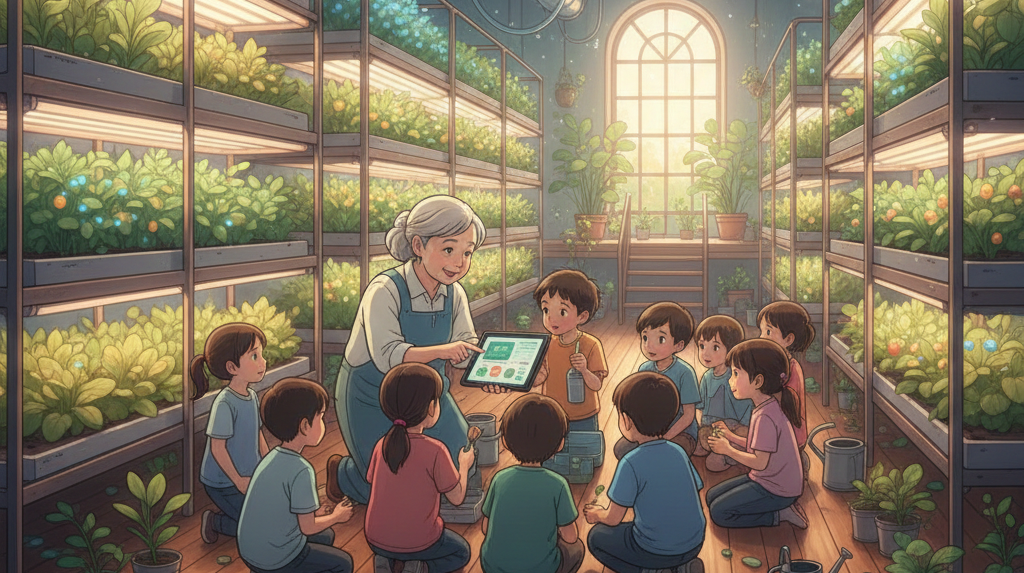
→ Smart technology for sustainable food production focuses on using modern tools and systems to grow more food while protecting natural resources. As the global demand for food increases, farmers face challenges such as limited water, changing weather, and rising input costs. Smart technologies help address these problems by improving efficiency, reducing waste, and supporting informed decision-making. For readers, this topic offers practical knowledge on how technology can make farming more productive and environmentally responsible at the same time. Whether you manage a small farm or are learning about agriculture, understanding these solutions can help you save resources, improve yields, and support long-term food security.
➡️ Key Points / Benefits
→ Improves crop productivity with efficient resource use.
→ Reduces water, fertilizer, and energy waste.
→ Supports environmentally friendly farming practices.
→ Helps farmers make informed and timely decisions.
→ Increases long-term farm profitability and stability.
→ Encourages sustainable food systems for future generations.
🔵 1️⃣ → Precision Farming for Better Resource Management
Precision farming uses smart tools to apply the right input at the right place and time. This approach reduces waste and improves crop performance by focusing on accuracy rather than guesswork.
Key steps include:
- Mapping fields to understand soil and crop variation
- Applying water and nutrients only where needed
- Monitoring crop growth to adjust practices
Farmers can start by focusing on one area, such as irrigation or fertilization, and expand gradually. Avoid applying uniform treatments across fields without data. Precision farming saves money, improves yields, and reduces environmental impact, making it a core part of sustainable food production.
🔵 2️⃣ → Smart Irrigation Systems for Water Conservation
Water is one of the most critical resources in agriculture. Smart irrigation systems help farmers use water efficiently by responding to actual crop needs.
Practical examples include:
- Scheduling irrigation based on soil moisture levels
- Adjusting water flow according to crop growth stages
- Reducing runoff and evaporation losses
Step-by-step adoption helps farmers avoid overinvestment. Begin with basic monitoring tools before upgrading systems. Smart irrigation not only conserves water but also improves crop health and reduces energy costs. Efficient water use supports sustainability, especially in regions facing water scarcity.
🔵 3️⃣ → Monitoring Crop Health with Smart Tools
Regular crop monitoring helps identify problems early and prevent yield loss. Smart tools allow farmers to track crop health more accurately and consistently.
Actionable tips include:
- Observing changes in plant color and growth patterns
- Tracking pest and disease pressure over time
- Comparing results across different seasons
Mistakes to avoid include ignoring early warning signs or relying only on visual checks. Combining observation with recorded data leads to better decisions. Monitoring supports timely interventions, reduces chemical use, and improves overall crop quality, making food production more sustainable.
🔵 4️⃣ → Data-Based Planning for Sustainable Farming
Using data for planning helps farmers understand what works best on their land. Data-based decisions reduce uncertainty and improve long-term outcomes.
Practical guidance includes:
- Recording yields, input usage, and weather conditions
- Analyzing trends to identify strengths and weaknesses
- Adjusting crop choices and schedules accordingly
Farmers should focus on simple records first, then build more detailed systems. Avoid making decisions based only on assumptions or past habits. Data-based planning increases efficiency, supports sustainability goals, and helps farms adapt to changing conditions.
🔵 5️⃣ → Integrating Smart Technology Responsibly
Successful adoption of smart technology requires planning and responsible use. Technology should support farming goals, not replace good management practices.
Step-by-step approach:
- Identify a clear problem or goal
- Choose technology suited to farm size and budget
- Test and evaluate results before expanding
Dos include training users and maintaining systems regularly. Don’ts include adopting complex tools without understanding them. Responsible integration ensures long-term benefits, prevents wasted investment, and strengthens sustainable food production systems.
➡️ CONCLUSION
→ Smart technology for sustainable food production offers practical solutions to modern agricultural challenges. By improving resource management, conserving water, monitoring crop health, using data for planning, and adopting technology responsibly, farmers can produce food more efficiently while protecting the environment. These practices reduce costs, increase productivity, and support long-term stability. Readers who apply these methods step by step can build resilient farming systems that meet today’s needs and safeguard resources for the future. Embracing smart technology is a key step toward sustainable and reliable food production worldwide.