➡️ INTRODUCTION
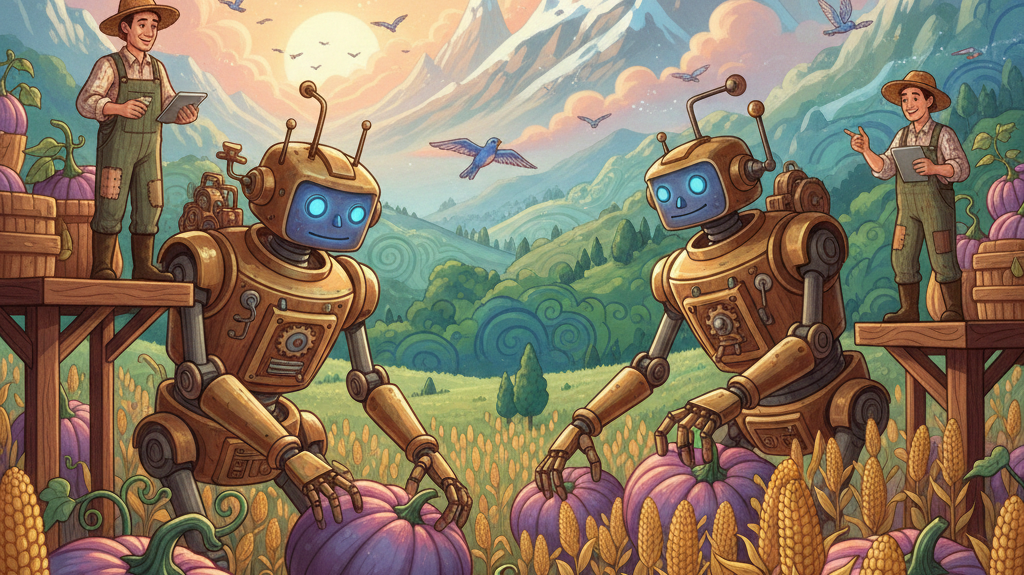
→ Innovating agriculture for the next generation is about combining knowledge, technology, and sustainable thinking to build stronger food systems for the future. As global populations grow and natural resources become more limited, traditional farming alone is no longer enough. Innovation helps farmers increase productivity while protecting soil, water, and the environment. For readers, this topic offers practical insights into modern farming methods, smarter decision-making, and long-term planning. Whether you are a farmer, student, or agriculture enthusiast, understanding these innovations can help you adapt to change, reduce risks, and create stable growth. Preparing today ensures that future generations can farm efficiently and responsibly.
➡️ Key Points / Benefits
→ Encourages sustainable farming practices for long-term productivity.
→ Helps farmers adapt to climate and market changes.
→ Improves efficiency through better planning and resource use.
→ Supports youth involvement and modern skill development.
→ Reduces farming risks with informed, data-driven decisions.
→ Builds resilient agricultural systems for future generations.
🔵 1️⃣ → Embracing Sustainable Farming Innovations
Sustainability is at the heart of modern agricultural innovation. Future-focused farming aims to produce more food without damaging natural resources. Sustainable innovations help farmers balance productivity with environmental care.
Key steps include:
- Improving soil health through crop rotation and organic inputs
- Reducing water waste with efficient irrigation methods
- Minimizing chemical use by following integrated pest management
These practices protect land for long-term use and reduce production costs. Farmers should start small, test methods on limited plots, and expand successful practices. Sustainable innovation not only supports future generations but also improves current farm stability and profitability.
🔵 2️⃣ → Integrating Technology into Everyday Farming
Technology plays a major role in shaping the future of agriculture. From simple tools to advanced systems, technology helps farmers make better decisions and save time.
Practical examples include:
- Using weather forecasts to plan planting and harvesting
- Monitoring soil moisture to improve irrigation timing
- Keeping digital records for crop performance analysis
Step-by-step adoption is important. Farmers should choose tools that fit their farm size and budget. Avoid adopting too many technologies at once. When used correctly, technology improves accuracy, reduces waste, and supports consistent growth.
🔵 3️⃣ → Supporting the Next Generation of Farmers
Attracting and supporting young people in agriculture is essential for long-term innovation. The next generation brings fresh ideas, energy, and openness to new methods.
Actionable tips include:
- Encouraging skill-based training and education
- Promoting farming as a business opportunity
- Providing access to learning resources and mentorship
Mistakes to avoid include ignoring youth input or resisting change. Young farmers often adapt faster to innovation when guided properly. Supporting them ensures continuity, creativity, and resilience in agriculture. A strong next generation keeps farming relevant and competitive.
🔵 4️⃣ → Climate-Smart Innovations for Future Security
Climate uncertainty is one of the biggest challenges facing modern agriculture. Innovations focused on climate-smart practices help reduce risks and protect yields.
Practical guidance includes:
- Selecting crop varieties suited to changing conditions
- Improving drainage and water storage systems
- Diversifying crops to spread risk
Farmers should monitor weather patterns and adjust practices regularly. Climate-smart innovations do not require major changes all at once. Gradual improvements build resilience and help farms survive extreme conditions while maintaining productivity.
🔵 5️⃣ → Building Knowledge Through Continuous Improvement
Innovation in agriculture is an ongoing process. Continuous learning ensures that farmers stay updated and competitive.
Step-by-step approach:
- Observe and record farming results each season
- Analyze what worked and what did not
- Apply improvements gradually
Dos include staying open to new ideas and learning from experience. Don’ts include repeating the same mistakes or ignoring evidence. Continuous improvement builds confidence and efficiency. Knowledge-driven innovation supports long-term success and prepares farms for future challenges.
➡️ CONCLUSION
→ Innovating agriculture for the next generation is essential for building resilient, productive, and sustainable food systems. By embracing sustainability, integrating technology, supporting young farmers, adopting climate-smart practices, and committing to continuous learning, agriculture can meet future demands with confidence. These innovations help reduce risks, improve efficiency, and protect natural resources. Readers who apply these principles step by step can create stronger farms and long-term stability. Preparing today ensures that agriculture remains a reliable and rewarding livelihood for generations to come.