➡️ INTRODUCTION
→ An in-depth analysis of global agriculture helps readers understand how food is produced, managed, and distributed across different regions of the world. Agriculture is deeply connected to food security, economic growth, environmental protection, and rural livelihoods. As populations grow and climates change, farming systems must adapt to new challenges and opportunities. This topic matters because informed knowledge allows farmers, students, and agribusiness professionals to make better decisions. Readers can benefit by learning about global trends, best practices, and practical approaches that improve productivity while conserving resources. A deeper understanding of global agriculture supports smarter planning, sustainable growth, and long-term resilience in farming systems worldwide.
➡️ Key Points / Benefits
→ Provides a clear understanding of global farming systems.
→ Highlights challenges and opportunities in modern agriculture.
→ Supports informed decision-making and better planning.
→ Encourages sustainable and resource-efficient practices.
→ Helps farmers adapt to climate and market changes.
→ Promotes long-term productivity and food security.
🔵 1️⃣ → Global Farming Systems and Regional Differences
Agriculture varies widely across regions due to climate, soil, culture, and available resources. Understanding these differences is essential for effective farming strategies.
Key aspects include:
- Climate conditions influencing crop choices
- Soil types affecting productivity and management
- Local farming traditions shaping practices
Step-by-step learning starts with studying regional conditions before applying methods from other areas. A common mistake is copying practices without adaptation. Recognizing regional diversity helps farmers and planners choose suitable crops, tools, and techniques, leading to better results and reduced risk.
🔵 2️⃣ → Challenges Facing Global Agriculture Today
Modern agriculture faces multiple challenges that affect productivity and sustainability. These challenges require thoughtful analysis and practical solutions.
Major challenges include:
- Climate variability and extreme weather events
- Water scarcity and soil degradation
- Rising production costs and market uncertainty
Practical guidance involves identifying local risks and prioritizing solutions. Avoid ignoring early warning signs such as declining soil health. Addressing challenges proactively helps farmers maintain stable production and protect resources, ensuring agriculture remains viable in the long term.
🔵 3️⃣ → Role of Technology and Innovation in Agriculture
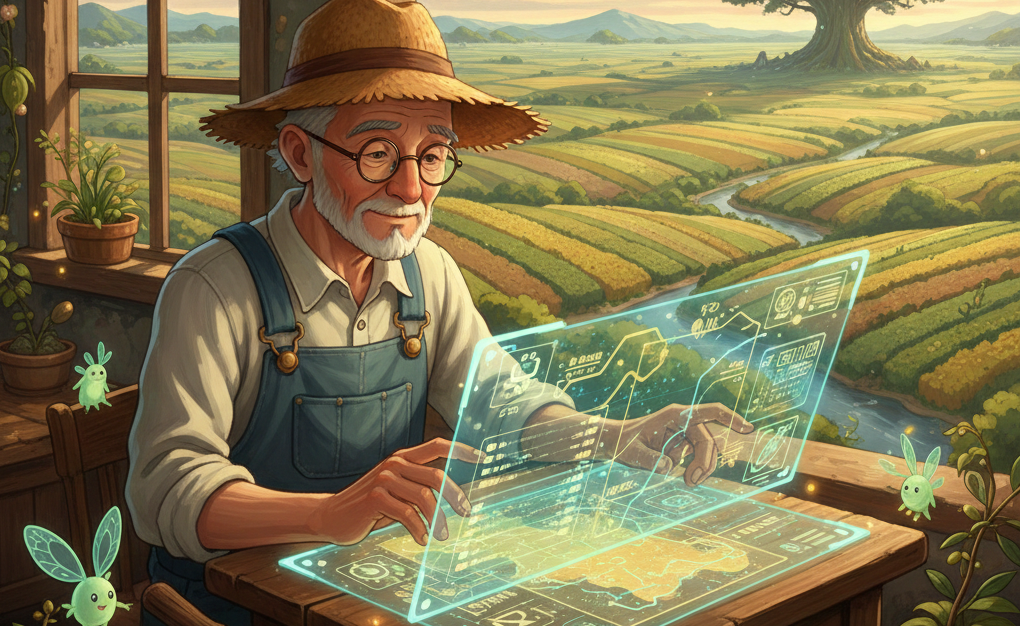
Technology and innovation play a growing role in improving agricultural efficiency and accuracy. These tools help farmers manage resources more effectively.
Actionable examples include:
- Monitoring soil and crop conditions regularly
- Using data to plan planting and harvesting
- Improving input efficiency through better timing
Mistakes to avoid include adopting tools without training or clear goals. When used wisely, innovation reduces waste, saves time, and improves yields. Technology supports informed decisions and strengthens farming systems across diverse regions.
🔵 4️⃣ → Sustainable Practices in Global Agriculture
Sustainability is a key focus of modern agriculture. Sustainable practices aim to balance productivity with environmental care.
Practical guidance includes:
- Improving soil health through organic inputs
- Conserving water with efficient irrigation
- Protecting biodiversity through crop diversity
Farmers should avoid overuse of chemicals that harm ecosystems. Sustainable practices improve resilience, reduce costs over time, and protect land for future generations. These approaches are essential for long-term global food security.
🔵 5️⃣ → Data, Policy, and Market Influences on Agriculture
Agriculture is influenced by data trends, policies, and market conditions. Understanding these factors helps farmers and stakeholders plan effectively.
Step-by-step approach includes:
- Tracking production and yield data
- Staying informed about market demand
- Adapting practices to policy and trade changes
Dos include regular monitoring and flexible planning. Don’ts include relying on outdated information. Awareness of data and market influences supports better decisions, reduces risk, and improves farm profitability in a global context.
➡️ CONCLUSION
→ An in-depth analysis of global agriculture provides valuable insights into how farming systems operate and evolve worldwide. By understanding regional differences, current challenges, technological roles, sustainable practices, and market influences, readers gain a clearer picture of modern agriculture. These insights support better planning, efficient resource use, and long-term productivity. Farmers and stakeholders who apply this knowledge thoughtfully can build resilient and sustainable farming systems. Staying informed about global agriculture trends helps ensure food security, economic stability, and responsible resource management for future generations.