➡️ INTRODUCTION
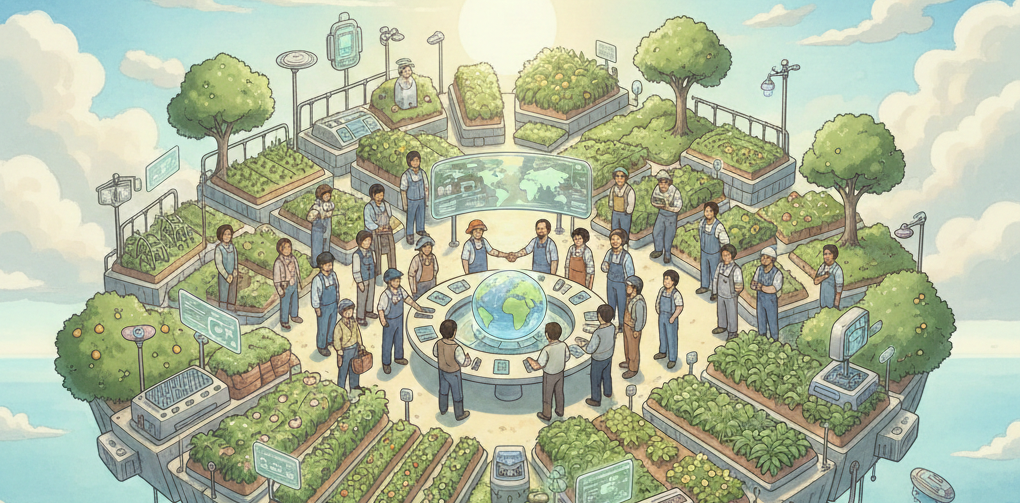
→ Connecting farmers, technology, and growth is becoming essential in today’s rapidly changing agricultural landscape. Farming now goes beyond traditional methods and depends on smart tools, timely information, and better access to markets and resources. This connection matters because farmers face challenges such as climate uncertainty, rising costs, labor shortages, and changing consumer demands. Technology helps bridge gaps by improving communication, efficiency, and decision-making. For readers, understanding this connection offers practical benefits like higher productivity, reduced risk, better income opportunities, and sustainable growth. By learning how farmers and technology work together, individuals and communities can support agriculture that is resilient, profitable, and prepared for the future.
➡️ Key Points / Benefits
→ Strengthens communication and knowledge sharing among farmers.
→ Improves productivity through efficient use of tools and data.
→ Supports sustainable farming and responsible resource use.
→ Expands market access and income opportunities for farmers.
→ Encourages long-term growth and resilience in agriculture.
🔵 1️⃣ → Empowering Farmers Through Access to Technology
Access to technology empowers farmers by giving them tools to manage farms more effectively. Even simple technologies can make a significant difference when used correctly.
Examples of useful technologies include:
- Mobile-based platforms for weather and market updates.
- Digital record-keeping for tracking costs and yields.
- Mechanized tools that reduce manual labor.
Step by step, farmers should first identify their main challenges, such as water management or crop planning. Then, choose basic tools that directly address those needs. A practical tip is to start with easy-to-use systems and seek training if available. Avoid adopting tools without understanding their purpose. Empowered farmers gain better control over operations, save time, and make informed decisions that support steady growth.
🔵 2️⃣ → Technology as a Driver of Farm Productivity
Technology plays a direct role in increasing farm productivity by improving accuracy and efficiency. When tasks are done at the right time and in the right way, results improve.
Productivity-enhancing practices include:
- Using improved planting and harvesting equipment.
- Monitoring soil and crop conditions regularly.
- Applying inputs based on actual needs rather than estimates.
For example, tracking crop performance helps identify areas needing improvement. Farmers should avoid assuming that more inputs always lead to better yields. Instead, focus on balanced use guided by observation and records. The benefit of productivity-focused technology is higher yields with lower waste, helping farms remain competitive while managing costs effectively.
🔵 3️⃣ → Connecting Farmers to Markets and Growth Opportunities
Growth in agriculture depends not only on production but also on market access. Technology helps connect farmers to buyers, price information, and new opportunities.
Ways technology supports market connection include:
- Sharing real-time price information.
- Improving communication with buyers and suppliers.
- Supporting planning based on demand trends.
Farmers should monitor market information regularly and plan production accordingly. A common mistake is producing without considering demand, which can lead to losses. Step-by-step planning, based on reliable information, helps farmers choose the right crops and quantities. Better market connections increase income stability and open pathways for business growth and diversification.
🔵 4️⃣ → Supporting Sustainable Growth Through Smart Practices
Sustainable growth ensures that farming remains productive without harming natural resources. Technology and knowledge together support this balance.
Practical sustainable practices include:
- Efficient water use through improved irrigation methods.
- Soil health management using crop rotation and organic inputs.
- Reducing waste by tracking resource use.
Farmers should regularly review their practices and avoid short-term decisions that harm soil or water quality. For example, overusing fertilizers may boost short-term yields but reduce long-term productivity. Smart practices protect resources, lower costs over time, and support consistent growth. Sustainable growth benefits not only farmers but also communities and ecosystems.
🔵 5️⃣ → Monitoring Progress and Building Long-Term Resilience
Connecting farmers, technology, and growth requires continuous monitoring and adjustment. Progress must be measured to ensure efforts lead to real improvement.
Step-by-step monitoring guidance includes:
- Recording inputs, yields, and expenses each season.
- Comparing results over time to identify trends.
- Making small changes and observing outcomes before scaling up.
Do focus on long-term patterns rather than single-season results. Do not ignore challenges or failures; they provide valuable lessons. Regular monitoring builds resilience by helping farms adapt to change. Over time, this approach strengthens decision-making and supports stable, long-term agricultural growth.
➡️ CONCLUSION
→ Connecting farmers, technology, and growth creates a strong foundation for modern agriculture. By empowering farmers with tools, improving productivity, expanding market access, supporting sustainability, and monitoring progress, agriculture can move toward long-term success. These connections help reduce risk, improve income, and protect natural resources. Readers are encouraged to adopt practical technologies step by step, focus on learning, and regularly review outcomes. When farmers and technology work together with clear goals, agriculture becomes more resilient, efficient, and capable of meeting future challenges while supporting growth for individuals and communities alike.